
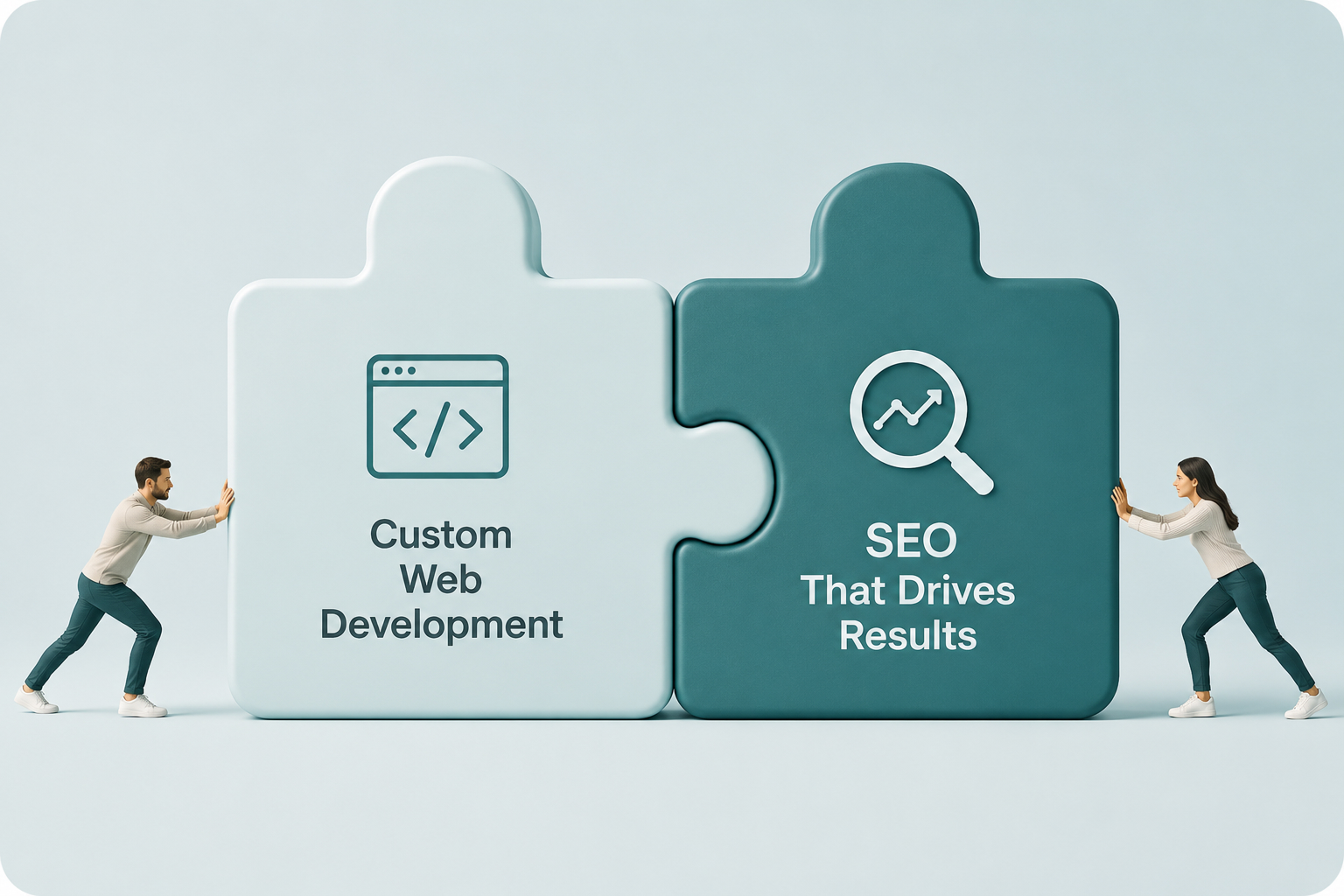
In today’s competitive digital landscape, achieving a strong Google ranking is one of the most important factors in driving consistent online visibility, organic traffic, and business growth. Many businesses invest heavily in paid advertising before addressing the foundations of their website, only to discover poor conversion rates, low engagement, and weak long-term results.
The reality is that your Google ranking is heavily influenced by the quality of your website development, technical SEO structure, website performance, and overall user experience. A well-built website combined with a strategic SEO approach creates the foundation for sustainable digital growth and stronger search engine visibility.
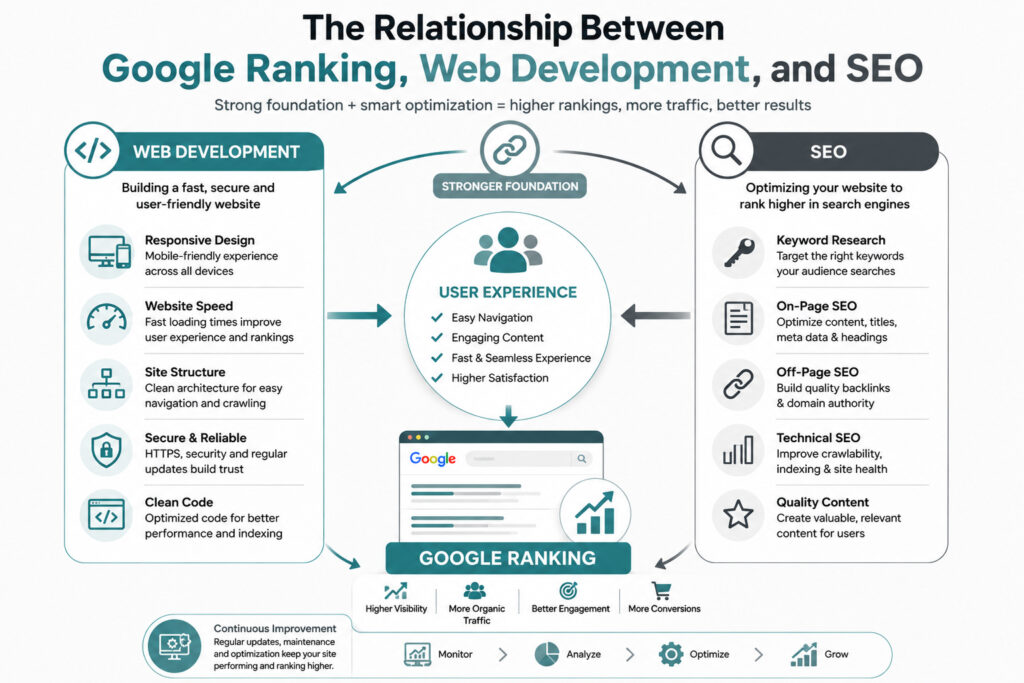
The Relationship Between Google Ranking, Web Development, and SEO
Custom web development and SEO work together to help websites perform better in search engines like Google. Search engines evaluate websites based on multiple factors, including speed, mobile responsiveness, site structure, user experience, and content relevance.
Without proper optimization, even visually appealing websites may struggle to rank competitively.
Optimized Website Structure Improves Google Ranking
A professionally developed website creates a clean and logical structure that helps search engines crawl and index pages efficiently. Proper navigation, internal linking, and page hierarchy improve both usability and search engine understanding.
An optimized website structure supports:
- Better search engine crawlability
- Improved user navigation
- Lower bounce rates
- Stronger keyword relevance
- Enhanced website SEO performance
These factors contribute directly to stronger Google rankings and improved organic visibility.
Responsive Web Design Is Essential for SEO
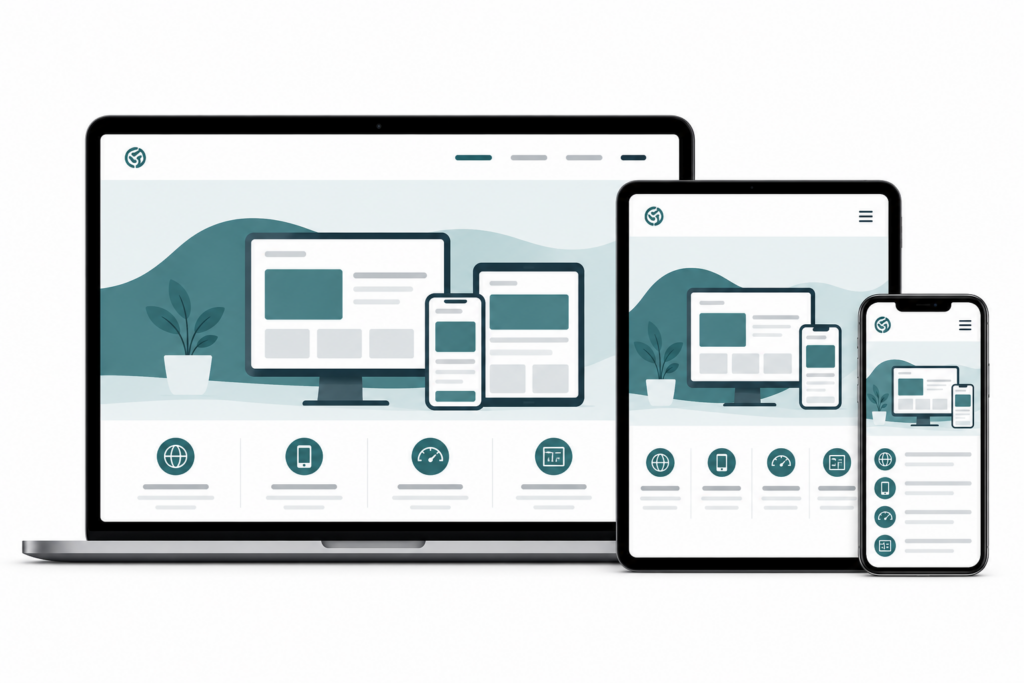
Google prioritizes mobile-friendly websites through its mobile-first indexing approach. If your website does not function properly across smartphones, tablets, and desktops, your rankings may suffer.
Custom web development ensures your website delivers:
- Responsive web design
- Faster mobile loading speeds
- Improved mobile user experience
- Better accessibility across devices
A responsive website not only improves SEO performance but also increases visitor engagement and conversions.
Website Speed Directly Affects Google Ranking
Website speed remains one of the most important technical SEO ranking factors. Slow-loading websites frustrate users, increase bounce rates, and negatively impact search engine rankings.
Custom-developed websites can be optimized for:
- Faster loading times
- Reduced code bloat
- Optimized images
- Improved Core Web Vitals
- Better server performance
Unlike many template-based websites that rely on excessive plugins and unnecessary scripts, custom web development focuses on website performance optimization from the ground up.
Improving website speed helps businesses:
- Increase organic traffic
- Improve conversion rates
- Reduce visitor abandonment
- Enhance user experience
- Strengthen Google ranking performance
Technical SEO Creates a Strong Search Foundation
Technical SEO is a critical component of improving Google rankings. Even high-quality content can struggle to rank if the technical structure of the website is weak.
A properly optimized website includes:
- Clean URL structures
- Schema markup
- XML sitemaps
- Fast page rendering
- Secure HTTPS implementation
- Proper heading hierarchy
- Internal linking strategies
- Optimized metadata
Technical SEO helps search engines better understand your content while improving website usability and visibility in search results.
Why Website Maintenance Matters for Google Ranking
Website maintenance is often overlooked, yet it plays a major role in long-term SEO performance. Search engines favour websites that remain secure, updated, fast, and functional.
Regular website maintenance includes:
- Plugin and software updates
- Security monitoring
- Speed optimization
- Broken link fixes
- Content updates
- Performance enhancements
- Technical SEO improvements
Neglecting website maintenance can lead to slower performance, security vulnerabilities, indexing issues, and ranking declines.
A well-maintained website supports:
- Better search engine rankings
- Improved user trust
- Higher conversion rates
- Consistent organic traffic growth
Why SEO Should Come Before Paid Advertising
Many businesses make the mistake of running Google Ads or social media advertising campaigns before optimizing their website and SEO foundation.
Driving paid traffic to a poorly optimized website often leads to:
- Low conversion rates
- High bounce rates
- Poor user engagement
- Wasted advertising spend
Before investing in paid advertising, businesses should focus on:
- Website optimization
- Technical SEO
- Responsive design
- Website speed
- Conversion-focused web development
- Organic search visibility
A strong SEO foundation ensures your website is capable of converting both organic and paid traffic more effectively.
Organic Traffic Delivers Long-Term Value
Unlike paid advertising, which stops generating traffic when campaigns end, strong organic rankings provide long-term visibility and sustainable growth.
Investing in:
- SEO services
- Custom web development
- Technical SEO
- Website optimization
- Website performance improvements
creates lasting value for your business while reducing long-term customer acquisition costs.
A strong Google ranking helps businesses:
- Build credibility
- Increase online visibility
- Generate qualified leads
- Improve brand trust
- Compete more effectively online
Conclusion
Achieving a strong Google ranking requires more than simply publishing content or launching paid ads. Businesses need a website that is technically optimized, fast, mobile-friendly, secure, and designed around both user experience and SEO best practices.
Custom web development and SEO work together to create the foundation for higher search engine rankings, improved website performance, and long-term digital marketing success.
Before investing heavily in paid advertising, businesses should prioritize:
- Website optimization
- Technical SEO
- Responsive web design
- Website maintenance
- User experience improvements
This strategic approach not only improves Google rankings but also maximizes conversion potential and long-term return on investment.
Wan’t to get in touch? Contact us here.
Frequently Asked Questions
Why is Google ranking important for businesses?
Google ranking directly impacts online visibility, organic traffic, lead generation, and brand credibility. Higher rankings help businesses attract more qualified visitors without relying entirely on paid advertising.
How does custom web development improve Google ranking?
Custom web development improves website speed, mobile responsiveness, user experience, crawlability, and technical SEO structure, all of which are important Google ranking factors.
Does website speed affect SEO rankings?
Yes. Website speed is a major Google ranking factor. Faster websites improve user experience, reduce bounce rates, and support better organic search performance.
Why should SEO be prioritised before paid advertising?
SEO and website optimization should be completed before running paid ads to ensure your website can effectively convert traffic into leads or customers, improving return on investment.
What is technical SEO?
Technical SEO refers to optimizing the backend structure of a website, including speed, indexing, schema markup, mobile usability, crawlability, and security to improve search engine rankings.
How does responsive web design help SEO?
Responsive web design ensures websites function properly across mobile, tablet, and desktop devices, which supports mobile-first indexing and improves Google rankings.
Can website maintenance improve Google ranking?
Yes. Regular website maintenance helps maintain security, speed, functionality, and technical SEO health, all of which contribute to better search engine rankings.
What are Core Web Vitals?
Core Web Vitals are Google performance metrics that measure loading speed, interactivity, and visual stability, which influence both user experience and SEO rankings.